



By Amos Harris
IPNEWS: Liberia continues to face serious public health challenges in its fight against HIV/AIDS, following the disclosure that approximately 2,900 new HIV infections and 1,400 AIDS-related deaths were recorded in 2025, raising fresh concerns about the effectiveness of the country’s prevention, testing, and treatment programs.
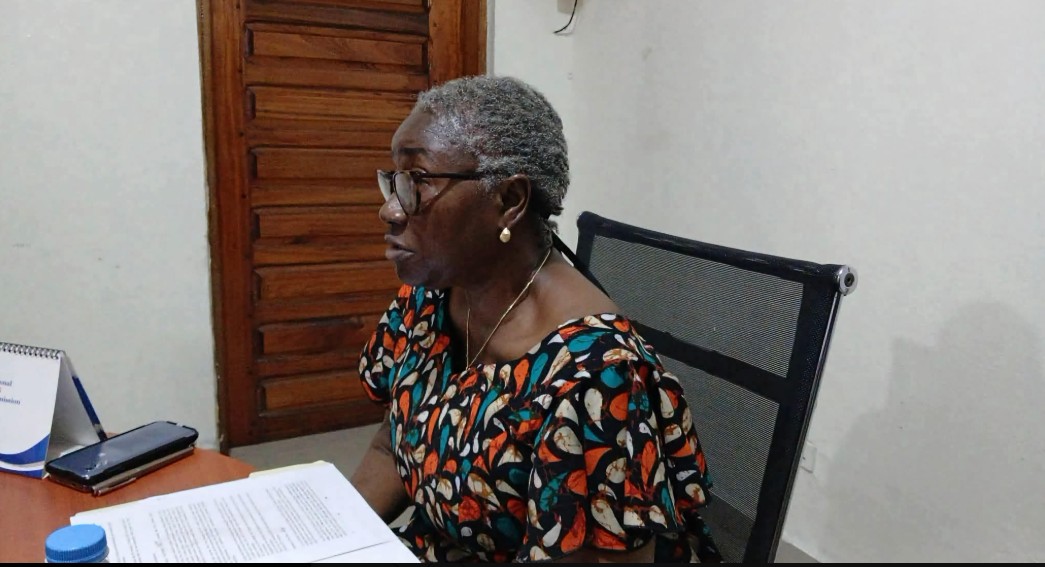
The Chairperson of the National AIDS Commission, Dr. Cecelia Nutah, disclosed that an estimated 56,000 people are currently living with HIV across Liberia, a figure that highlights the continued burden of the epidemic and the urgent need for stronger national interventions.
According to the statistics released, women account for the largest proportion of people living with the virus, with approximately 35,000 cases, while men account for 17,400 and children represent 3,600 cases.
The figures indicate that women carry a disproportionately high burden of HIV infections, raising questions about whether existing prevention programs adequately address the specific health needs and vulnerabilities of women and girls across the country.
The reported 2,900 new infections in 2025 also expose persistent weaknesses in public health awareness, voluntary testing, prevention services, and efforts to reduce transmission, particularly among young people and other vulnerable populations.
More concerning is the disclosure that approximately 1,400 people died from AIDS-related illnesses during the same period.
The deaths raise questions about early diagnosis, access to antiretroviral medication, treatment continuity, and the quality of healthcare available to people living with HIV.
With an estimated 56,000 people living with the virus, health authorities must demonstrate whether existing policies and financial resources are producing meaningful results in reducing new infections and preventing avoidable deaths.
Although Liberia has established institutions, including the National AIDS Commission, to coordinate the national response, the latest statistics present an opportunity to examine the performance of these institutions and determine whether their interventions are reaching the communities most affected.
The situation also raises concerns about the availability of HIV testing facilities and antiretroviral drugs, especially in rural communities where limited healthcare infrastructure, transportation difficulties, and poverty may prevent people from accessing essential services.
Stigma and discrimination remain additional challenges that could discourage individuals from voluntarily testing, disclosing their HIV status, or consistently seeking medical care.
Without stronger public education and community-based interventions, efforts to control the epidemic could continue to face setbacks.
The National AIDS Commission and the Ministry of Health are therefore expected to intensify public awareness campaigns, expand voluntary testing, strengthen prevention programs, and ensure uninterrupted access to treatment for people living with HIV.
At the same time, government must provide greater transparency regarding the financial resources allocated to HIV prevention and treatment, including how those funds are utilized, the communities reached, and the measurable results achieved.
As Liberia confronts an estimated 56,000 people living with HIV, 2,900 new infections, and 1,400 AIDS-related deaths in 2025, the figures demand more than public announcements.
They require urgent action, stronger institutional accountability, increased investment, and measurable progress to prevent further infections and save lives.
